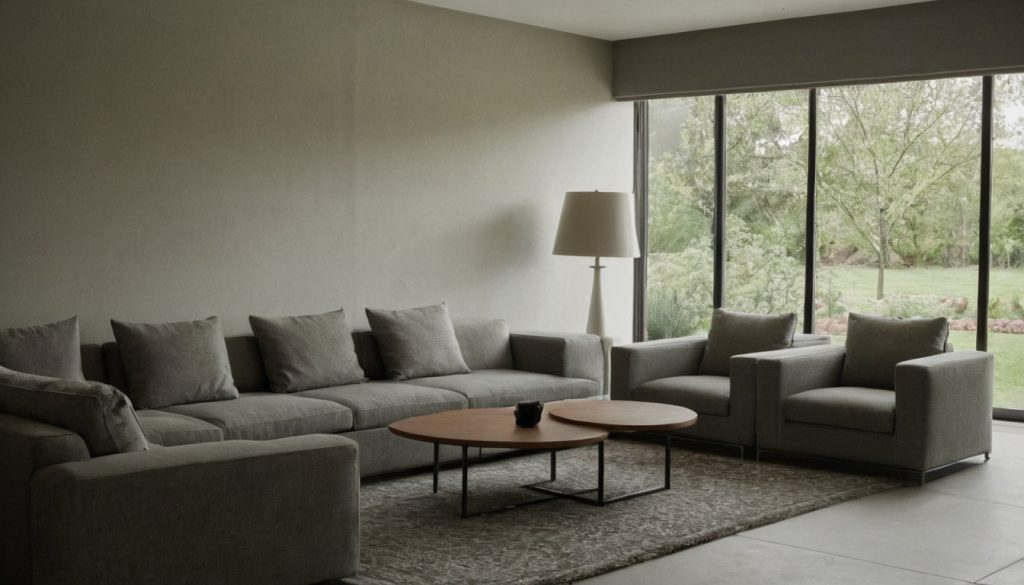
Supplying your own fabric adds three to eight weeks to a standard 12-to-16-week manufacturing lead time for a custom luxury sofa. Buyers relocating internationally often assume the textile arrives instantly because selecting a material feels like the final step in planning living room furniture. That assumption breaks down at the mill gate. A bolt of cloth is not a decorative accessory sitting on a showroom shelf. It is cargo on the critical path: it must be woven or cut, inspected, shipped across borders, cleared through customs, and approved by the factory before a single cushion panel is stitched. Treating fabric rolls as freight rather than finishes protects your deposit and keeps your relocation schedule intact. See also: living room furniture layouts.
Key takeaways
- This delay accounts for mill production, CFA approval, and freight transit to the upholstery facility before frame assembly begins.
The gap between assumed and actual timelines costs buyers their installation windows. A household moving into a finished villa expects the seating to arrive with the rest of the furnishings. If the sofa frame sits idle at an Italian or American workshop because the fabric is delayed at a port or rejected during inspection, the entire room stalls. Understanding how Customer’s Own Material works, known in the trade as COM, prevents this delay. COM means you purchase the textile separately from the furniture manufacturer and ship it to their upholstery facility. The manufacturer builds the frame but takes no responsibility for sourcing, weaving, or delivering the cloth. That responsibility falls entirely on you, your interior design services team, or your procurement agent.
To narrow this gap, examine three specific variables: the baseline timeline for a standard order, the mill minimums that govern fabric production, and the approval protocols that factories enforce before cutting begins. Each variable adds days or weeks to the schedule. Calculating them gives you a realistic delivery date rather than an optimistic estimate from a sales representative who does not control the shipping lanes.
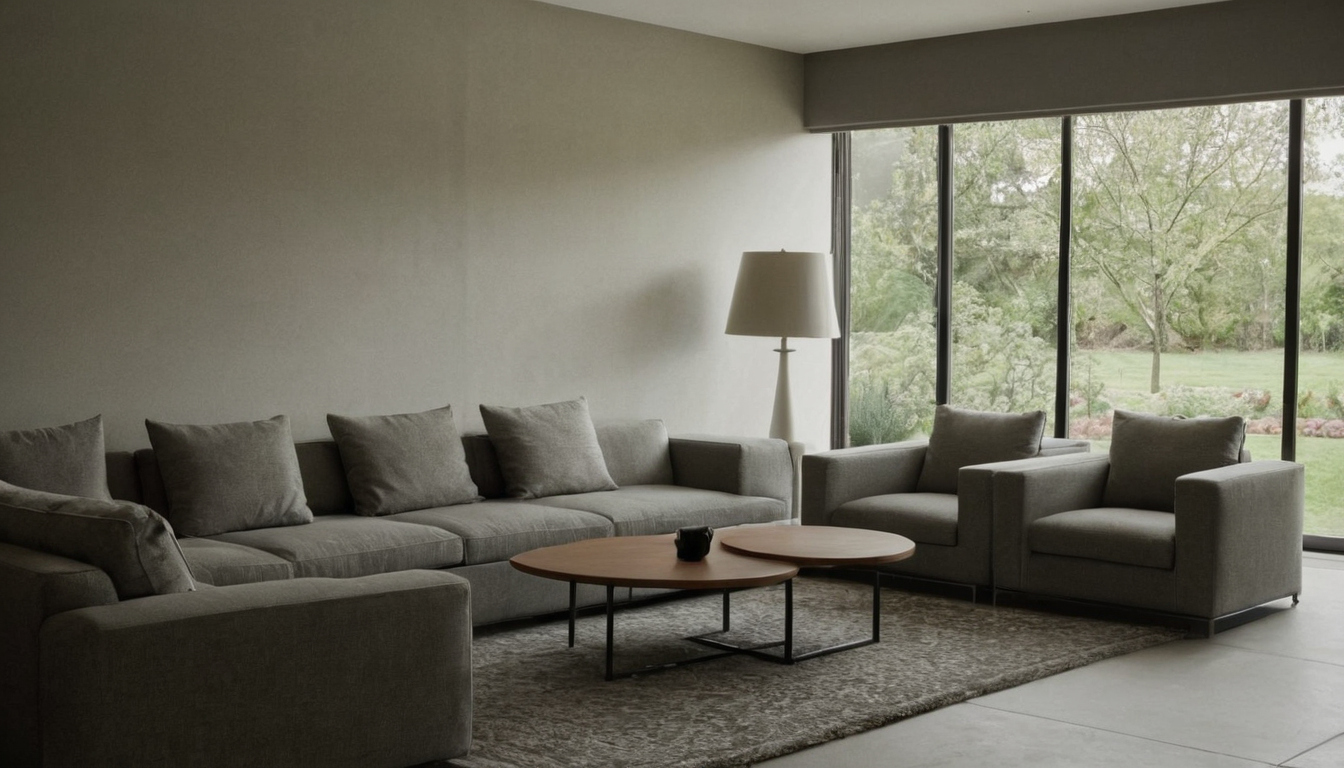
How long does a custom living room sofa take when you supply your own fabric.
How many extra weeks does COM add to a luxury sofa lead time?
This delay accounts for mill production, CFA approval, and freight transit to the upholstery facility before frame assembly begins. Tracking a container through three ports quickly reveals that the textile supply chain runs on its own calendar, independent of the furniture frame builder waiting at the destination.
What is the baseline lead time for a manufacturer-standard textile order?
A custom luxury sofa ordered in the manufacturer’s house fabric typically requires 12 to 16 weeks from deposit release to ex-works readiness. Ex-works means the piece is built, inspected, crated, and on the factory floor waiting for your freight forwarder to collect it. This timeline applies to established European manufacturers such as Minotti and Poltrona Frau, as well as American makers like Holly Hunt, when you select a textile from their approved inventory. House fabrics are already tested for abrasion resistance, seam slippage, and pattern alignment on the specific frame you ordered. The factory knows exactly how many meters it needs, where the patterns must match, and which backing materials prevent stretching over the foam.
Standardizing specifications removes variables from the procurement schedule. Other building systems gain similar efficiencies by using standardized components. For example, ENERGY STAR states that qualified LED lighting uses at least 75 percent less energy and lasts up to 25 times longer than incandescent lighting, a reduction achieved precisely because the performance parameters are fixed and verified before installation. Furniture manufacturing follows the same principle. When the textile is pre-approved and stocked, the factory eliminates testing delays and sourcing uncertainty.
The 12-to-16-week schedule includes several fixed milestones that follow in sequence. Frame construction comes first, followed by suspension, padding, and finally upholstery. Because the house fabric is available immediately, upholstery follows padding without interruption. Before confirming dimensions for your custom piece, check that the proportions fit your overall spatial plan and living room furniture layouts to ensure adequate circulation around the finished piece.
- Frame milling and joinery (Weeks 1 to 4): Kiln-dried hardwood is cut, joined, and sanded. The factory incorporates the buyer’s custom dimensions during this phase. Alterations after week four usually require restarting the frame.
- Suspension and webbing (Weeks 4 to 6): Elastic webbing or steel springs are installed. This stage determines the seating tension and cannot begin until the frame passes structural inspection.
- Foam cutting and padding (Weeks 6 to 9): Polyurethane or down-blend cushions are shaped. Factories cut foam to match the exact geometry of the frame, leaving precise tolerances for the fabric thickness.
- Upholstery and finishing (Weeks 9 to 13): The house fabric is cut, matched, sewn, and applied. Pattern repeats are aligned across seams according to the manufacturer’s standard yield calculations.
- Quality control and crating (Weeks 13 to 16): Inspectors check stitching tension, fabric alignment, and structural integrity. The sofa is wrapped in protective layers and placed in a custom wooden crate for export.
This sequence runs without interruption because the manufacturer controls every input. Introducing COM breaks that chain. The factory cannot begin week nine if the fabric has not cleared customs. Padding sits exposed, frames occupy floor space, and your order moves to the back of the queue until the material arrives. To protect your schedule, you need to understand exactly what replaces this continuous flow.
Which COM milestones cause the longest delays?
The main bottleneck in a COM order is rarely cutting the fabric itself. It is the paperwork and logistics required to get the correct yardage, in the correct condition, to the correct factory door. Mill cutting schedules, Cutting for Approval protocols, and international freight transit together create the three-to-eight-week extension. CFA stands for Cutting for Approval, a mandatory step where the factory cuts a small sample of your supplied fabric, upholsters a test block, and verifies that the color, weave tension, and pattern alignment meet their standards before committing to the full sofa. MOQ, or Minimum Order Quantity, sets the smallest amount of fabric the textile mill will sell you, often forcing buyers to purchase more yardage than the sofa strictly requires.
Textile mills producing high-end fabrics for brands like Loro Piana Interiors, Rubelli, or Romo do not keep unlimited stock of every colorway. If your chosen textile requires a custom dye lot or is currently out of stock, the mill starts a production run. This takes two to six weeks depending on the fiber content and weave complexity. Silk velvets and intricate jacquards take longer than flat linen weaves. You cannot get a mill to speed up a loom schedule without paying substantial surcharges. Even then, the physical drying and setting times for dyes remain fixed.
Once the mill cuts the fabric, it must travel to the upholstery facility. Shipping brings the most unpredictable variables. Cross-border logistics for textiles are as complex as specifying imported fixtures, where documentation errors at customs hold up entire installations. Fabric rolls shipped under FCA (Free Carrier) Incoterms transfer risk to you the moment the mill hands the goods to your carrier. Under DAP (Delivered at Place), the seller handles transit but you clear import duties. DDP (Delivered Duty Paid) places maximum responsibility on the seller, but few textile mills offer DDP for individual cut yardage orders. Choosing the wrong term leaves your fabric sitting in a bonded warehouse while your sofa frame gathers dust.

How many extra weeks does COM add to a luxury sofa lead time.
- Verify mill stock and place the order (Week 1): Confirm availability with the textile house. If the yardage is in stock, expect one to two weeks for cutting and packing. If a production run is required, add three to six weeks immediately.
- Ship fabric to the CFA testing facility or factory (Weeks 2 to 4): Air freight delivers rolls in three to seven days but costs significantly more per kilogram than sea freight. Ocean transit from a European mill to a US or Middle Eastern port takes two to four weeks. Buyers routing shipments through an Italian furniture import hub must account for the time shipments spend awaiting transfer at intermediate ports.
- Customs clearance and drayage (Weeks 3 to 5): Textiles require specific HS tariff codes. Incorrect declarations trigger inspections. Once cleared, the rolls must be trucked from the port to the factory. Drayage adds two to five days depending on distance and appointment availability at the receiving dock.
- CFA lab-dip approval and pattern matching review (Weeks 4 to 6): The factory receives the fabric and follows the CFA protocol. They check for dye lot consistency, shrinkage potential, and pattern repeat accuracy. If the CFA fails, you must source replacement yardage, restarting the logistics chain. A passing CFA allows the factory to calculate the exact cutting yield, accounting for waste from matching patterns across large cushion panels.
- Integration into the upholstery queue (Weeks 5 to 8): Approved fabric enters the cutting room. But the factory may have moved on to other orders during the transit delay. Your sofa waits for the next available upholstery slot, adding one to two weeks to the schedule.
Pattern repeats need careful consideration when calculating yardage. A standard three-seat sofa might require 18 meters of a solid fabric, but a large-scale geometric or floral print with a 90-centimeter vertical repeat can push that requirement to 24 meters or more to ensure the motif aligns perfectly across the backrest, seat cushions, and armrests. Ordering too little fabric means halting production to request a supplemental cut from the mill, which incurs additional MOQ charges and shipping fees. Always request the manufacturer’s official yardage formula for COM before placing the textile order, and add a 10 to 15 percent contingency buffer for pattern-matching waste.

Pattern repeats need careful consideration when calculating yardage.
New textiles also interact with the indoor environment once uncrated. The U.S. Environmental Protection Agency identifies furnishings as common indoor sources of volatile organic compounds and recommends increasing ventilation when introducing new products indoors (EPA guidance on VOCs). Letting the fabric off-gas briefly after unrolling, before final upholstery, reduces the concentration of these emissions inside the finished piece.
Vendor liability terms change substantially under COM. When you buy a sofa in house fabric, the manufacturer warrants both the frame and the textile against defects. When you supply COM, the manufacturer’s warranty covers only the frame construction and their labor. If your fabric shrinks during steaming, bleeds dye onto the piping, or tears along the seam due to low tensile strength, the factory bears no financial responsibility. You pay for the ruined yardage and the labor to re-upholster the piece. Documenting the mill’s technical specifications, including Martindale abrasion cycles and lightfastness ratings, before shipping protects you from disputes later.

Vendor liability terms change substantially under COM.
Before releasing your sofa deposit, use this checklist to confirm your COM schedule is workable:
- Confirm mill lead time: Get written confirmation of the cutting date and whether the yardage comes from existing stock or requires a new loom run.
- Calculate total yardage with waste: Apply the manufacturer’s COM formula, add the pattern repeat multiplier, and include a 10 to 15 percent buffer for cutting errors.
- Select Incoterms deliberately: Define exactly where risk transfers. Make sure your freight forwarder understands they are handling raw textile rolls, not finished furniture, because packing requirements differ.
- Budget for air freight if the schedule is tight: Sea freight saves money but costs weeks. If your relocation date is fixed, shipping the fabric by air is cheaper than paying for temporary housing while waiting for furniture.
- Clarify CFA failure protocols: Ask the manufacturer what happens if the fabric fails the CFA test. Find out who pays for return shipping and how quickly a replacement roll can be sourced.
- Review warranty exclusions: Read the COM addendum to the purchase contract. Verify that you accept sole responsibility for textile performance, shrinkage, and colorfastness.
This checklist turns COM from a scheduling risk into a procurement task you can manage. Instead of hoping the fabric arrives in time, you choose the transit method, calculate the yardage, and protect the deposit through your contract. Finish planning by working backward through your master relocation schedule from the installation date. Subtract the maximum eight-week COM delay plus the 16-week manufacturing period to establish the absolute deadline for placing your textile order.
Frequently Asked Questions
Does the manufacturer warranty cover a sofa upholstered with customer-supplied fabric?
No. Under COM terms, the manufacturer’s warranty covers only the frame construction and their upholstery labor. The factory assumes no liability for textile defects, shrinkage during steaming, dye bleeding, or seam tearing caused by the fabric’s tensile properties. You pay the full cost of replacing failed yardage and the re-upholstery labor. Request the mill’s technical data sheet before shipping to verify abrasion resistance and colorfastness ratings.
For more on this topic, see other guides on this site.