How Dubai Became the Middle East’s Import Hub for Italian Furniture
Salone del Mobile.Milano drew 316,342 visitors from 167 countries to its 2026 edition, held from 21 to 26 April with more than 1,900 exhibitors across 169,000 square metres of sold-out exhibition space. A significant share of the buying that happens at that fair for the wider Middle East is now routed through Dubai, and the reasons are logistical and regulatory rather than cultural.
The fair that sets the annual buying cycle
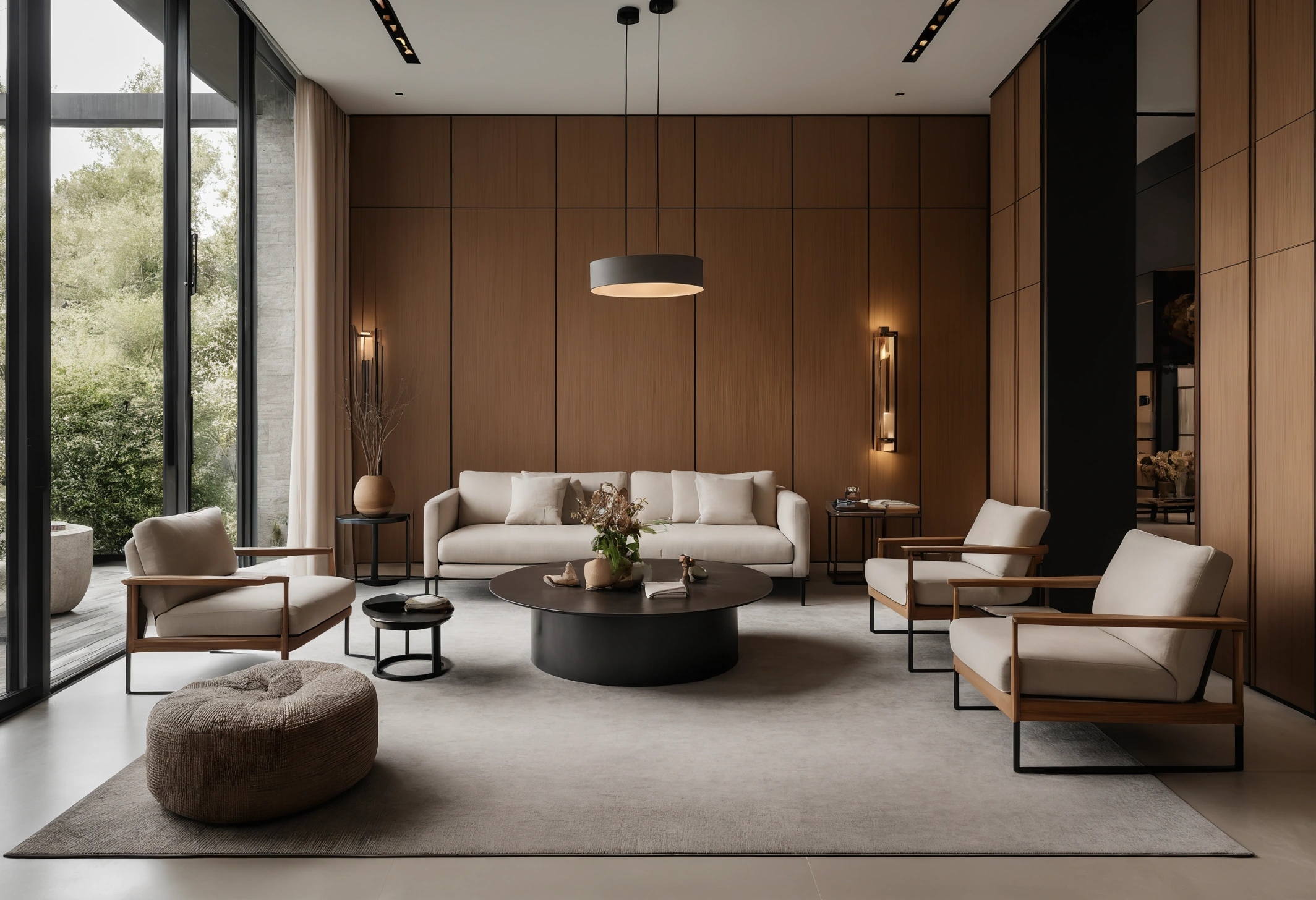
Salone del Mobile.Milano runs annually in April and functions as the calendar around which the European furniture industry organises production. The 2026 edition was the fair’s 64th, ran from 21 to 26 April 2026, and hosted more than 1,900 exhibitors with 36.6 percent coming from outside Italy.
Buying decisions taken at the fair in April reach retail floors 8 to 14 months later, because a collection shown in Milan enters production once orders justify a run. Distributors who commit early secure earlier production slots, which is the mechanism that determines who has stock in the following year and who quotes long lead times.
Three infrastructure conditions made Dubai the routing point
Dubai’s position as a furniture import hub rests on three conditions that are physical and administrative rather than promotional. Each condition reduces the cost or the time of moving a container of furniture from an Italian factory to a Gulf customer.
| Condition | Practical effect |
|---|---|
| Deep-water container capacity at Jebel Ali Port | Direct sailings from Italian ports, transit of roughly 18 to 26 days, no regional transhipment for most services |
| Free zone warehousing | Goods held under bond and re-exported to other Gulf markets without duty being paid twice |
| Air connectivity for samples and urgent parts | Fabric books, finish samples and replacement components move in 2 to 4 days rather than by sea |
| Concentration of demand within one emirate | Enough local volume to justify holding stock rather than ordering per project |
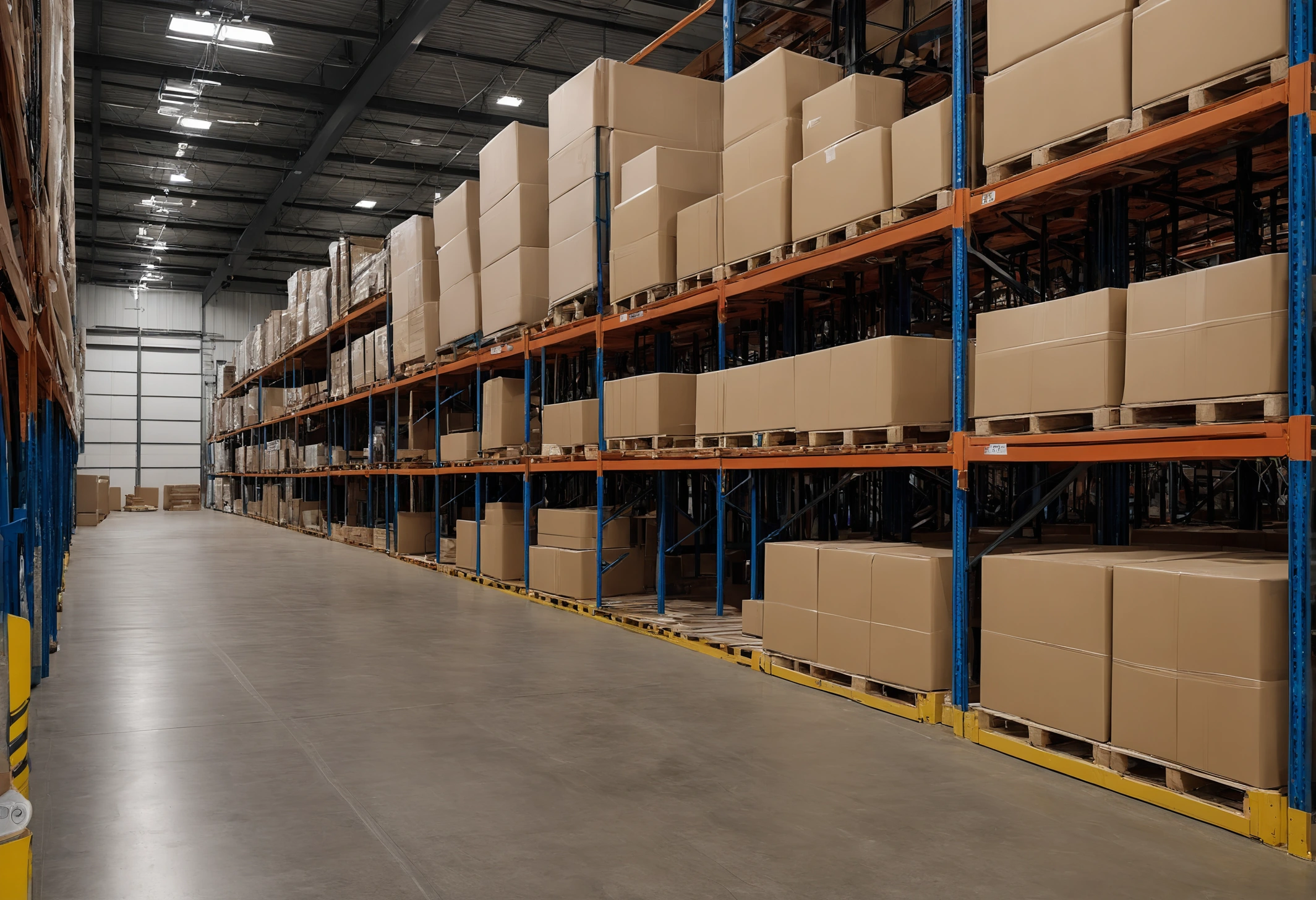
Free zone warehousing is the condition most often overlooked. Furniture stored under bond in a free zone can be re-exported to a customer in another Gulf state without the importer paying UAE duty on goods that never enter the local market. That structure allows a Dubai distributor to serve the region from one stockholding rather than maintaining separate inventory in each country.
What local stockholding changes for the buyer
A distributor holding stock behaves differently from an agent taking orders, and the difference appears in four places a customer can check directly.
- Delivery time. Stock items move in 1 to 3 weeks. Production orders run 12 to 20 weeks from confirmation.
- Fabric verification. A physical fabric library allows a sample to be tested in the customer’s own room before a production order is placed.
- Replacement parts. A stockholding distributor carries or can source mechanisms, glides, hinges and cushion inserts for pieces already sold.
- Warranty handling. An authorised distributor registers a warranty with the manufacturer, which a parallel importer buying through a third market generally cannot do.
The difference between a showroom and a catalogue is measured in weeks of delivery and in whether a spare part exists in the country three years later.
Why Dubai showroom floors are larger than European equivalents
Furniture showrooms in Dubai commonly occupy larger floor areas than comparable retailers in European cities, because the commercial model differs. A European brand store in a historic city centre displays a selection and orders the rest. A Gulf showroom serves clients who expect to see, sit on and buy the piece within a single visit, which requires depth of stock on the floor.
Buyer behaviour reinforces the pattern. Residents arriving from other countries frequently furnish an entire property within one purchasing cycle rather than accumulating pieces over years, and a household furnishing eight rooms at once needs to see combinations rather than individual items. Showrooms carrying Italian furniture in Dubai therefore build complete room sets rather than product walls, which consumes considerably more floor area per item displayed.
How to identify an authorised distributor
Authorised distribution can be verified in four ways before any purchase, and each check takes minutes rather than requiring specialist knowledge.
- Manufacturer dealer listing
- Most Italian manufacturers publish a dealer or store locator on their own website. A distributor absent from the manufacturer’s own list is not an authorised dealer for that brand.
- Warranty registration
- Ask whether the warranty is registered with the manufacturer or offered by the seller. Seller-backed warranties end if the seller ceases trading.
- Order documentation
- Authorised orders carry a manufacturer order acknowledgement with a factory reference. Parallel imports typically do not.
- Fabric and finish access
- Authorised dealers hold current fabric books. Access to the full current range indicates a live account with the factory.
The demand base behind the hub
Import concentration follows demand concentration. The Dubai Land Department recorded 226,000 property transactions worth AED 761 billion during 2024, alongside 110,000 new investors entering the market, and transactions reached AED 252 billion in the first quarter of 2026, up 31 percent year on year.
Property transactions generate furnishing demand with a lag of roughly 3 to 18 months, depending on whether a unit is completed or off-plan. A market processing hundreds of thousands of transactions annually therefore produces a continuous furnishing pipeline rather than a seasonal one, which is the condition that makes holding expensive imported stock commercially rational.
What the hub structure means for a project
For a client furnishing a Dubai property, the hub structure produces one practical advantage and one practical trap. The advantage is availability: pieces that would take four months elsewhere in the region can sometimes be delivered from local stock in under three weeks. The trap is assuming that everything on a showroom floor is available immediately, when floor models are frequently display-only with the sale item still to be produced.
Asking two questions removes the ambiguity. First, is the exact piece in the exact finish held in stock now, or is the floor model a display. Second, if the item requires production, what is the confirmed factory lead time in weeks rather than an estimate. Studios coordinating interior design and furnishing in Dubai build the answers into a delivery programme before orders are placed, because a single 16-week item can hold up an installation that is otherwise ready.
Where the hub is heading
Two forces will shape furniture import concentration in the Gulf over the coming years. Regional competitors are building their own logistics and retail capacity, which reduces the necessity of routing through a single point. At the same time, the buying cycle set in Milan each April continues to reward distributors with early production commitments and the warehouse space to hold what they commit to.
The advantage that survives competition is not location. The advantage is stock depth, factory relationships and the ability to answer a lead-time question with a date instead of an estimate.